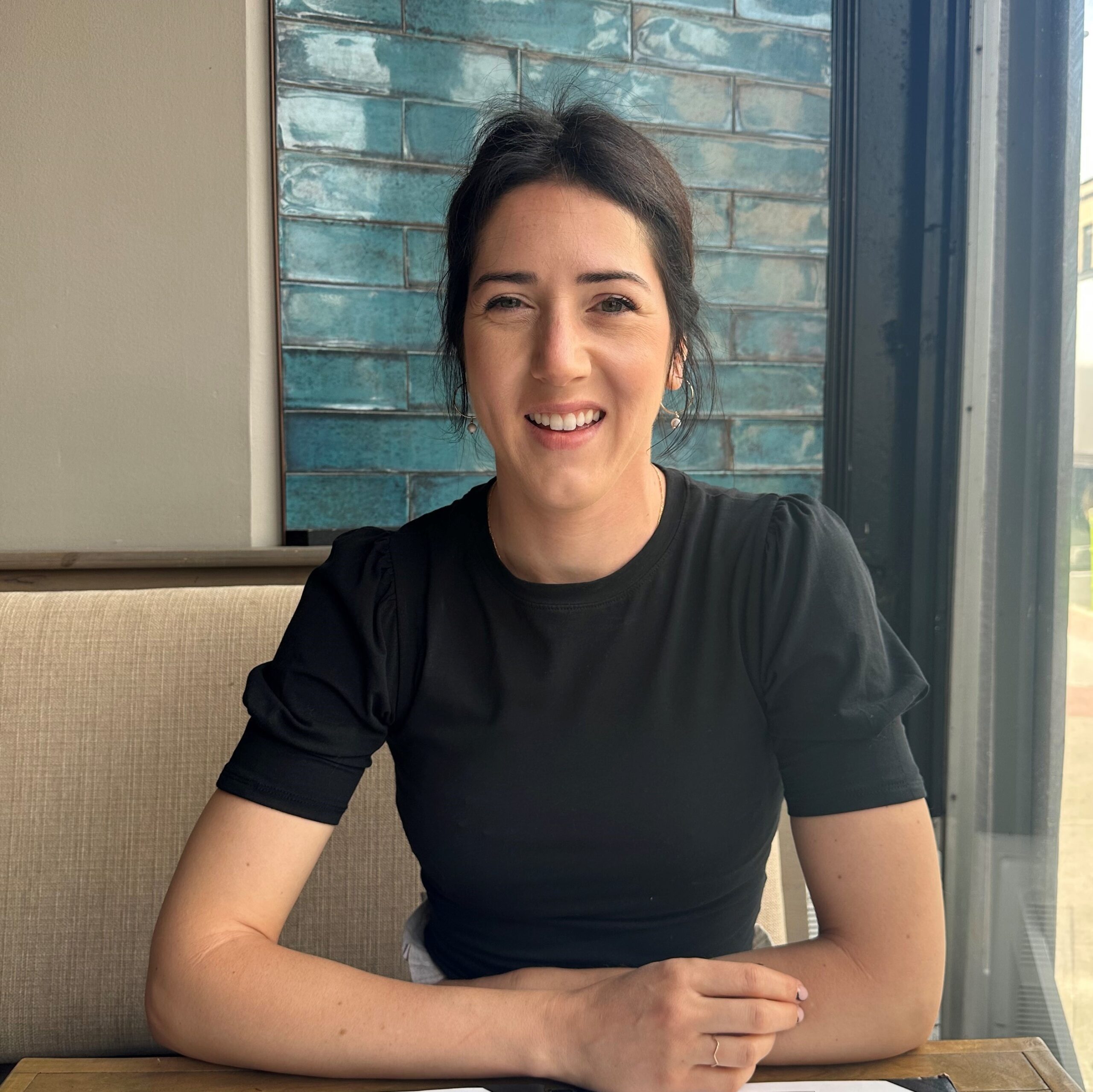
Lindsay Hollands
Occupation
Environmental Advisor (Oil and Gas)
Employer
ExxonMobil
Pronouns
she/her
My Profile
Hometown(s)
Enfield, Nova Scotia but I was born in St. John's
Current Community of Residence
St. John's
I consider myself to be
Pending
Social Media Connections
Links (LinkedIn, Facebook, Instagram)
My Education
Education
Certificates, Programs and School Names Bachelor of Applied Environmental Science - Mount Royal University - Calgary, AB
Get To Know Me
What do you love most about your profession? Why did you choose this career?
My profession is constantly evolving, no two days are ever the same. One day I might be reporting an incident and digging into root causes, and the next I’m building environmental programs, engaging with external stakeholders, or collaborating with colleagues on projects. The variety is endless, and that’s exactly what keeps me energized. As someone who is neurodivergent (ADHD), I thrive in this kind of fast-paced, ever-changing environment. It keeps me focused, engaged, and motivated. I find momentum and stimulation in the variety whereas long periods of downtime or waiting can be a real challenge for me. In many ways, this career aligns perfectly with how I’m wired—dynamic, responsive, and always moving forward.
When did you realize you wanted to work in STEM or Skilled Trades?
When I was starting to explore university options after taking a few years off to travel and make some money, I had a friend (who I credit as being an unofficial mentor) who was just beginning her career in this field. Hearing about her experiences and the opportunities she was exposed to immediately caught my interest. She worked as an Environmental Engineer, and while I was drawn to the impact of her work, I realized the technical side of engineering wasn’t quite the right fit for me. I was looking for something more hands-on and practical. An approach to learning that suited how I naturally engage with the world. That’s when she suggested I explore environmental science. I found a program that emphasized applied learning, with plenty of field experience and a co-op component, and it felt like the perfect match. I’ve always had a deep appreciation for nature and being outdoors, and I recognized early on that I’m a hands-on, visual learner. Choosing a program that aligned with both my interests and my learning style made all the difference, and from there, everything really fell into place.
How do you think the school you went to influenced your career?
That experience had a profound impact on me. It was through that program and the skills I developed along the way that I was given the opportunity to work as an environmental co-op student in the Northwest Territories. That role was a turning point. It was there, in a unique and challenging environment, that I discovered a genuine passion for the field I had chosen to study. What started as an opportunity to learn quickly became something much more meaningful and a career path I truly connected with. In fact, I also met my now husband. Fourteen years later, I’m still in this field, and that experience remains the moment I realized I had found exactly where I was meant to be. And by no means do you need to go to the Northwest Territories for work. I have just always been someone who enjoys adventure and going off the beaten path so that opportunity as a young environmental student was right up my alley.
What would you be looking for during an interview for an entry level position?
An ideal candidate is someone who demonstrates a genuine eagerness to learn—an initiative-driven, self-starter who actively seeks out opportunities to get involved. They’re curious, adaptable, and willing to step beyond their comfort zone to gain experience and continuously expand their knowledge.
What does your typical workday involve? Can you work remotely? (indoors/outdoors, office/plant, travel time, teamwork/solo work)?
A typical workday is primarily office-based, but it’s far from routine. My responsibilities are varied and dynamic, ranging from preparing detailed reports and attending meetings, to managing projects and interpreting environmental regulations. I collaborate closely with consultants to develop and implement environmental programs, as well as review and assess their results to ensure effectiveness and compliance. I also serve on environmental committees as a company representative, contributing to broader discussions and decision-making. Beyond these core responsibilities, the expectation within my company is to always improve how we work, such as, finding efficiencies within my scope, strengthening risk management approaches, and ensuring that all processes remain compliant while adding value. It’s a role that requires both strategic thinking and continuous improvement.
What is a common misconception about your field of work?
There’s a common misconception that working in oil and gas and other large industries for that matter, means “selling your soul” to the wrong side of environmental responsibility. In reality, these organizations often have the resources, influence, and capacity to invest in meaningful environmental initiatives and drive real change. Through my experience in the industry, I’ve seen firsthand how much can be accomplished when environmental priorities are supported at scale. I’ve had the opportunity to contribute to impactful programs, expand my knowledge, and be part of solutions that make a tangible difference. My time in oil and gas has been incredibly valuable, not only in shaping my career, but in reinforcing the idea that progress often comes from working within these spaces to help move them forward.
In what ways are you able to be creative and innovative in your role?
My role offers a high level of autonomy, which really allows my creativity to come through. Outside of my core responsibilities, I enjoy getting involved in extracurricular work opportunities like employee resource groups, where I can contribute to brainstorming event ideas, planning and execution, and developing engaging communications. In my day-to-day work, creativity shows up in how I build and deliver presentations—whether it’s designing them in a way that feels polished and impactful, or starting from scratch and crafting the narrative and messaging. I take pride in shaping content, so it resonates and feels cohesive. Another aspect I value is the flexibility within my role. It’s not rigidly defined, which gives me the ability to choose where to focus my energy when deadlines allow. If I’m struggling to stay engaged with one task, I can pivot to something else that sparks more interest or excitement. That flexibility not only keeps me productive but also helps me stay motivated and do my best work.
What do you do for fun? What are some of your hobbies/activities?
I’m a bit of a homebody at heart and really value time spent at home, whether that’s baking, cooking, gardening, or simply enjoying being outdoors. I find a lot of joy in those simple, grounding moments. I also have a young daughter, and one of my favorite things is introducing her to the natural world. Watching her explore and helping her develop an appreciation for the environment is incredibly rewarding, and something that brings me so much happiness.
What is an app on your smart phone that you couldn’t live without?
Google Calendar. I love to be organized and need the visual tool to stay on track and remember appointments.
What advice would you give students who might be considering a career like yours? What advice would you have given your younger self?
My advice to any young person exploring career options is to spend time understanding yourself. How you learn best, how you prefer to work, and what genuinely motivates you. Tools like strengths assessments or career-matching evaluations can be incredibly valuable in uncovering these insights. For example, I’ve always known I lean toward perfectionism and that I appreciate feedback and recognition when I’m doing something well. But it wasn’t until I completed one of these assessments that I fully understood just how important that recognition is as a motivator for me. Having that validated was both eye-opening and empowering. This kind of self-awareness can also help you better understand the environments where you’ll thrive. Some companies and industries have structured performance programs with built-in recognition, while others may offer very little feedback, especially in more independent roles. Ultimately, the more you understand what drives you, the better equipped you’ll be to choose a career path, and a work environment, that allows you to succeed and feel fulfilled. Additionally, if you think you might be interested in a particular job or field, I’d really encourage you to connect with someone who’s already working in it. Even something as simple as grabbing a coffee or having a quick chat can give you valuable insight into what they enjoy, and what they don’t, about their role. If you don’t already know someone in that field, don’t be afraid to take the initiative. You could reach out to a local office or organization and ask if there might be an opportunity to volunteer, job shadow, or speak with someone about their experience. You may need to schedule a time and follow up, but in my experience, most professionals are more than willing to share their knowledge, as long as they have a bit of notice. Taking that first step can feel intimidating, but it’s often one of the best ways to explore your interests and learn what a career is really like day-to-day.
What advice would you give to your younger self when looking at career options?
Try not to put too much pressure on yourself to have everything figured out right away. Instead, stay open, curious, and pay attention to the different paths people take in their careers. For me, that journey wasn’t linear. I initially went to university for a business degree, but after my first year I realized it wasn’t the right fit. I made the decision to step away and spent the next few years traveling and working outside of my hometown. That time was incredibly valuable. I met a wide range of people, built meaningful connections, and gained exposure to different ways of living and working. It really broadened my perspective and helped me see just how many possibilities are out there. Sometimes, taking a step back or trying something different can lead you exactly where you’re meant to be, it just might not look the way you first expected.
Additional Info
No Additional Information
 English